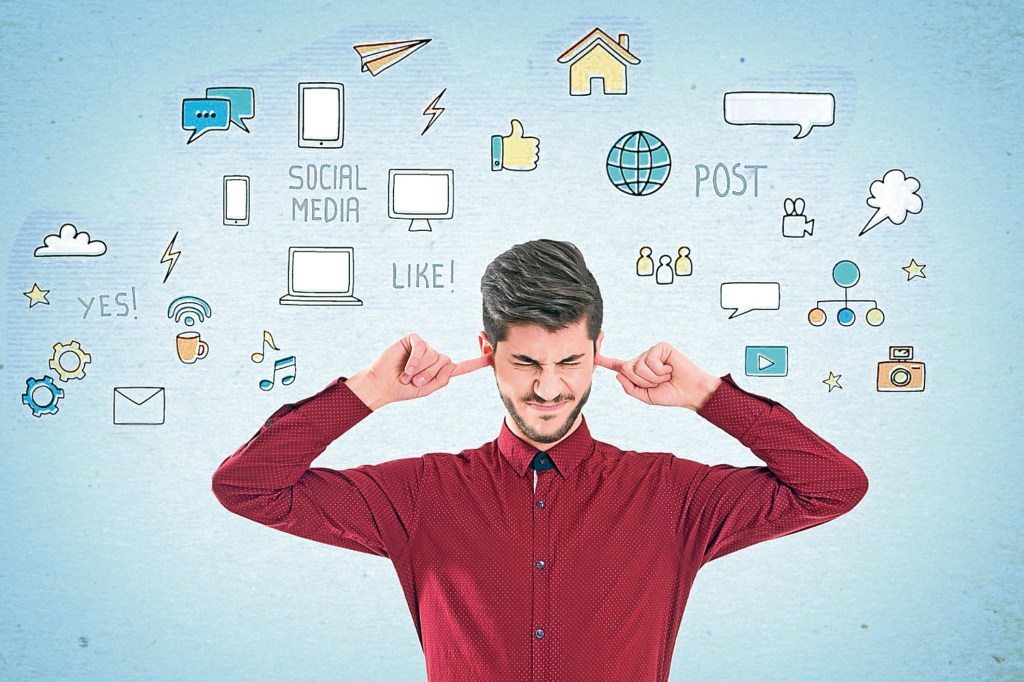
As youth, it is not hard for us to be influenced or manipulated to accommodate social norms. Youth culture as a whole is easily influenced by how we see other people act, look, or live their life. Social media has made it much easier for the youth culture to change to fit these common looks and personalities. It is elucidative to see that many teens basically live their life comparing themselves to influencers or even their friends that the see on social media. According to an article from Time.com, “Other research has found that the more social networks a young adult uses, the more likely he or she is to report depression and anxiety trying to navigate between different norms and friend networks on various platforms could be to blame…” Social media as a whole affects youth culture in several different ways, both positive and negative.
One of the main forms of social media used by almost every teen is Instagram. Instagram is an app where people are able to share photos of themselves with a caption with their followers to get as many likes and comments as they can. This app is one of the most common ways youth culture is influenced. It is easy to find accounts with many followers that have edited and changed their posts so much that it creates an unrealistic image that youth long to be like. When asked how she thinks social media affects the youth culture, peer, Eliza Cook said, “Instagram has many different influencers, especially for teens, making them want to dress or look a certain way. I also believe that people only post the good trying to make themselves look the best and hide the bad. It’s almost like a competition for who lives the best lives.” New styles and trends are brought to Instagram by popular influencers all the time and popularity changes frequently.
New styles and trends are brought to Instagram by idolized influencers all the time and their popularity changes quickly. Click here to see how rapidly influencers gain and lose popularity by the Instagram community. By looking at Instagram, users are able to see that Emma Chamberlain is one of the popular influencers. It is seen that she frequently changes the way she posts (captions, filters, etc.) to match the trends that are asthetically pleasing for most followers. When popular users change their style of posting, other, less popular users will change to match their content. I know, just by looking at the feed many of my peers post, that we are all guilty of conforming to all of the changes and trends seen on Instagram and other social media apps daily.

Not only Instagram, but also Snapchat heavily influences youth culture. Snapchat is a social media app that almost all teens have downloaded. Users are able to send pictures or chats directly to their friends and they disappear immediatly. They can also post a picture for twenty-four hours to their story for all of their Snapchat friends to see. Many adults have this app as well, but it is most frequently used by teens. Adults (mainly parents) are not big advocates of this app, seeing as many younger users are able to hide things using the app. Much like Instagram, Snapchat also has many negative impacts on mental health. “Negative mental impacts from Snapchat include things like anxiety, loneliness, and depression. Looking at carefully filtered pictures of other teens and tweens can also lead to body consciousness and eating disorders, fear of missing out, and bullying…” says an article from Knect365.com.
YouTube is one of the last forms of social media that is often used by youth. Theverge.com said “85 percent of teenagers (ages 13-17) say they use the platform. Closely behind are Instagram (72 percent) and Snapchat (69 percent).” On YouTube, people are able to post videos for their followers and then the followers are able to give likes, dislikes, and comments on the videos. YouTube is the least harmful form of social media when it comes to mental health. When videos are posted, there are some users that tend to comment hate on the videos, however, people are able to see a more real image of the people who have posted the videos. According to Forbes.com, “40 percent of millineal YouTube subcribers say that their favorite content creators understand them better then their friends and 70 percent of teens admit that they can relate to those folks more than to traditional celebrities.” This shows that YouTube creates a safe and “warm” type of environment for users of all ages. Since people feel more comfortable on YouTube, subscribers are able to open up more about themselves through videos, comments, etc. This results in less negative mental health for users and a more positive environment where almost everyone can share their thoughts and get things off their chest, even if it’s to popular YouTubers that will most likely never meet or communicate with.
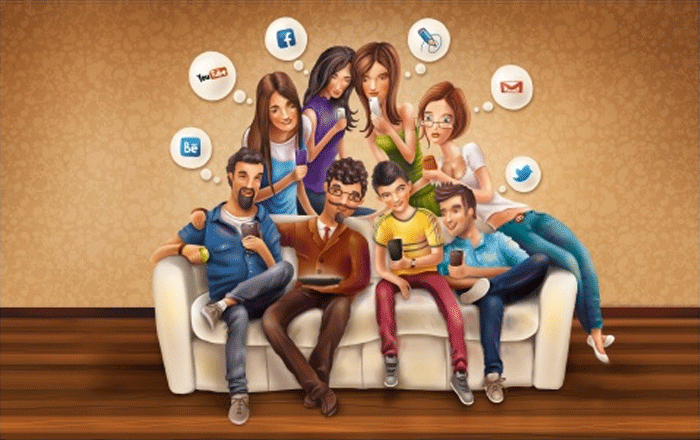
Social media is influencial to almost every teenager right now. It is easy to notice how much it all plays a part in the everyday lives of youth. I can tell that it even influences myself. I too am guilty of comforming to some of the norms presented by the many forms of social media. Whether it be good or bad, people are persuaded by many different popular influencers everyday. Social media affects youth culture in more ways than on, positively and negatively.
 And That's the Tea, Sis